Pleasanton Meadows & Fairlands Park Neighborhood Guide | Pleasanton
Northeast Pleasanton's Meadows and Fairlands area is really one big, interconnected pocket of neighborhoods off West Las Positas Boulevard — and locals tend to talk about it that way, even though it's technically several distinct developments built across two eras. If you're shopping here, understanding how the pieces fit together matters, because the right home for you might sit in any of them — and the differences between them are real.
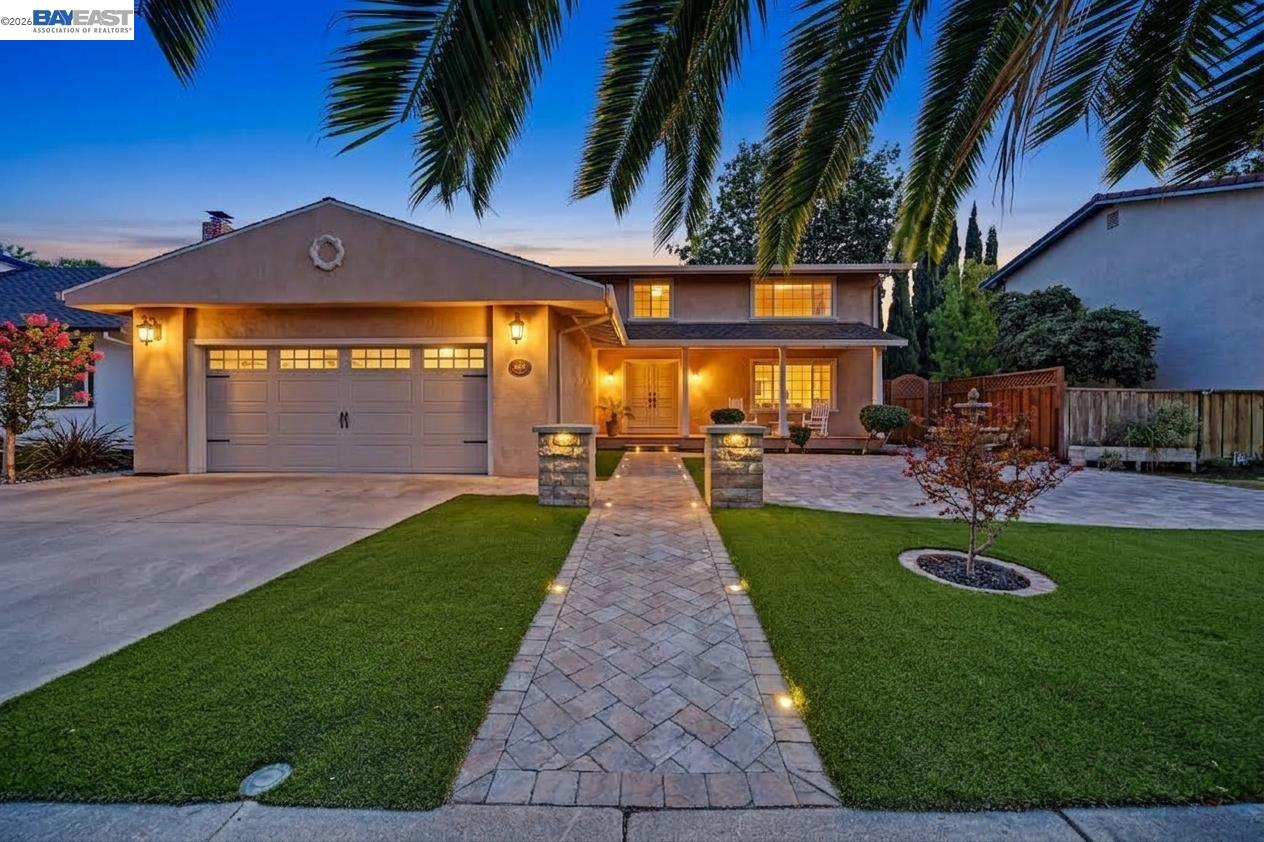
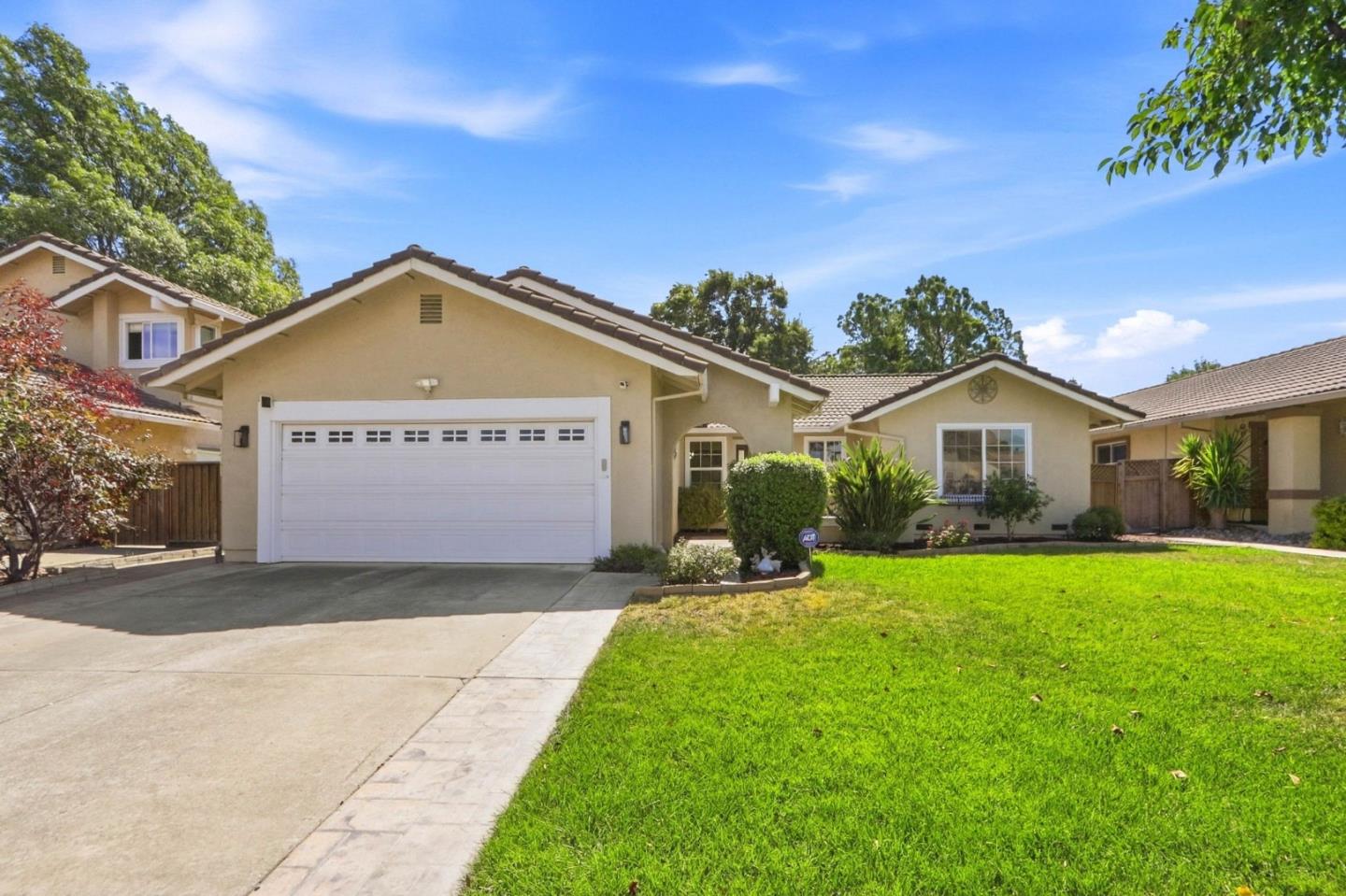
The story starts with Pleasanton Meadows, built between 1968 and 1975. This is the area's anchor neighborhood, known for generous floor plans, an abundance of cul-de-sacs, and a greenbelt that winds through the development and connects toward Fairlands Elementary School — which sits right inside the neighborhood. Homes here range from about 1,300 to 2,600 square feet in both single-story and two-story plans, on lots typically running 6,000 to 9,000 square feet. Pleasanton Meadows has an active homeowners association, and its signature amenity is the cabana club with a community pool — a genuine neighborhood gathering place in the summer months.
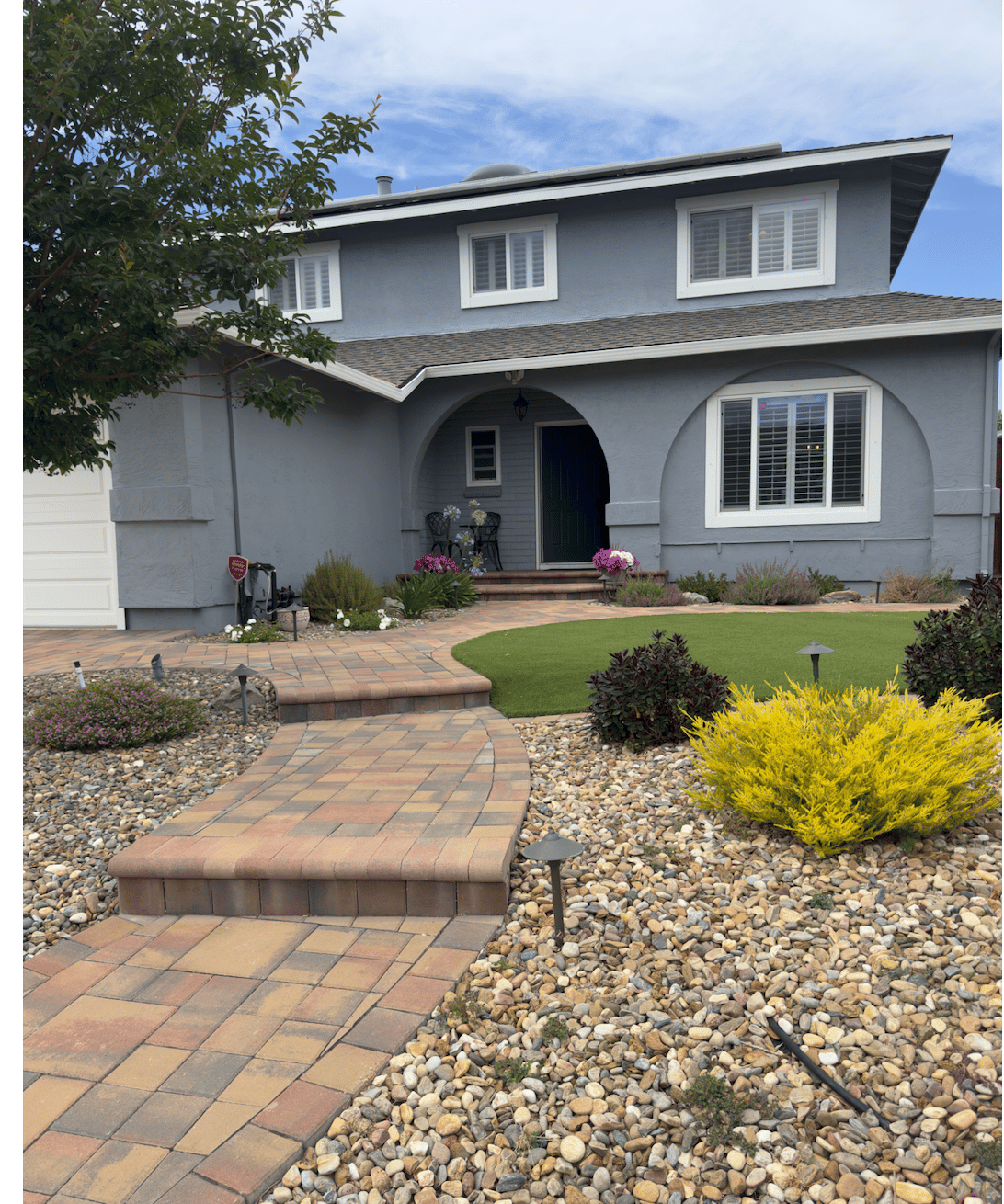
Then came the 1980s chapter: Fairlands Terrace, built by Dietz Crane, and Pheasant Crossing, built by Castle Construction, filling in around Fairlands Park and the school. These homes generally run 1,500 to 2,500 square feet on lots of roughly 6,000 to 8,000 square feet, and Pheasant Crossing is easy to spot on a drive-through — many of its homes wear distinctive Tudor-style exteriors that give those streets their own personality. Here's the practical distinction buyers should know: the Fairlands side carries a modest HOA — roughly $456 a year, under $40 a month — a very different commitment from a full-amenity association. So within a few blocks, you can choose between the Pleasanton Meadows lifestyle — cabana club, pool, and maintained greenbelt with the dues that support them — and the Fairlands streets, where dues are minimal and the amenity story is the city parks instead. Neither is better; they're different, and confirming exactly which community a home belongs to, what its dues are, and what they cover is something to verify before you fall in love, because the boundaries run closer together than listing photos suggest.
The park life here doesn't require membership either way. Fairlands Park sits in the heart of the area with play structures, picnic areas, tennis courts, and open green space — city-maintained and open to everyone. Meadows Park, a five-acre neighborhood park with barbecue pits and a youth play area, anchors the other end, and the greenbelt routes let kids on bikes and morning walkers move through the neighborhood without using city streets.
Schools are a headline reason people target this area: Fairlands Elementary is in the neighborhood, within a couple of blocks of many homes. The commonly cited assignments are Fairlands Elementary, Hart Middle School, and Amador Valley High School — but verify the current assignment by parcel with Pleasanton Unified, because boundaries in this part of town run tight and can change.
And then there's the commute, which is among the best in Pleasanton. This corner of the city is minutes from I-580, the East Dublin/Pleasanton BART station, and the Stoneridge shopping corridor, with Highway 84 and the ACE train within easy reach. For anyone heading toward Tri-Valley job centers, Oakland, or San Francisco, the practical daily savings in drive time is a quiet but significant part of the value here.
From a market standpoint, the Meadows–Fairlands area is steady and competitive. Demand stays consistent thanks to the schools, parks, and commute, and well-updated homes move quickly. But pricing here rewards precision: this area spans two building eras and several adjacent communities — and aggregator sites routinely blur the lines between Pleasanton Meadows, Fairlands Terrace, Pheasant Crossing, and the California Place and California Summerset sections further east. A 1970s Meadows home with cabana club access and a remodeled 1980s Dietz Crane home two blocks away are different products with different comps, and treating them interchangeably is how homes get mispriced in both directions.
Whether you're buying, selling, or just trying to understand what your home in this area is really worth, the street-by-street differences are where the answers live.
That kind of street-level detail is where I can genuinely help.
— Rebecca Rook, Living Tri-Valley | Compass