Downtown Pleasanton: Historic Homes in the Walkable Heart of the City
If you want to live where you can stroll to dinner, the farmers' market, and a Friday-night concert — all from a front porch with a hundred years of history behind it — Downtown Pleasanton is in a class of its own. This is the historic, walkable heart of the city, where beautifully preserved Victorians and Craftsmans line tree-shaded streets just off the brick-fronted shops and restaurants of Main Street. Here's the full picture.
Where it sits
Downtown Pleasanton centers on Main Street and the residential streets branching off it — First, Second, and Third Streets, along with Rose Avenue, St. Mary, Division, Neal, and Angela Streets, and a stretch of Old Stanley Boulevard. These streets, many laid out when the railroad came to town in the late 1800s and the original land tracts were subdivided, hold most of Pleasanton's oldest homes. It's as central as it gets, with everything downtown has to offer right outside your door.
History and character
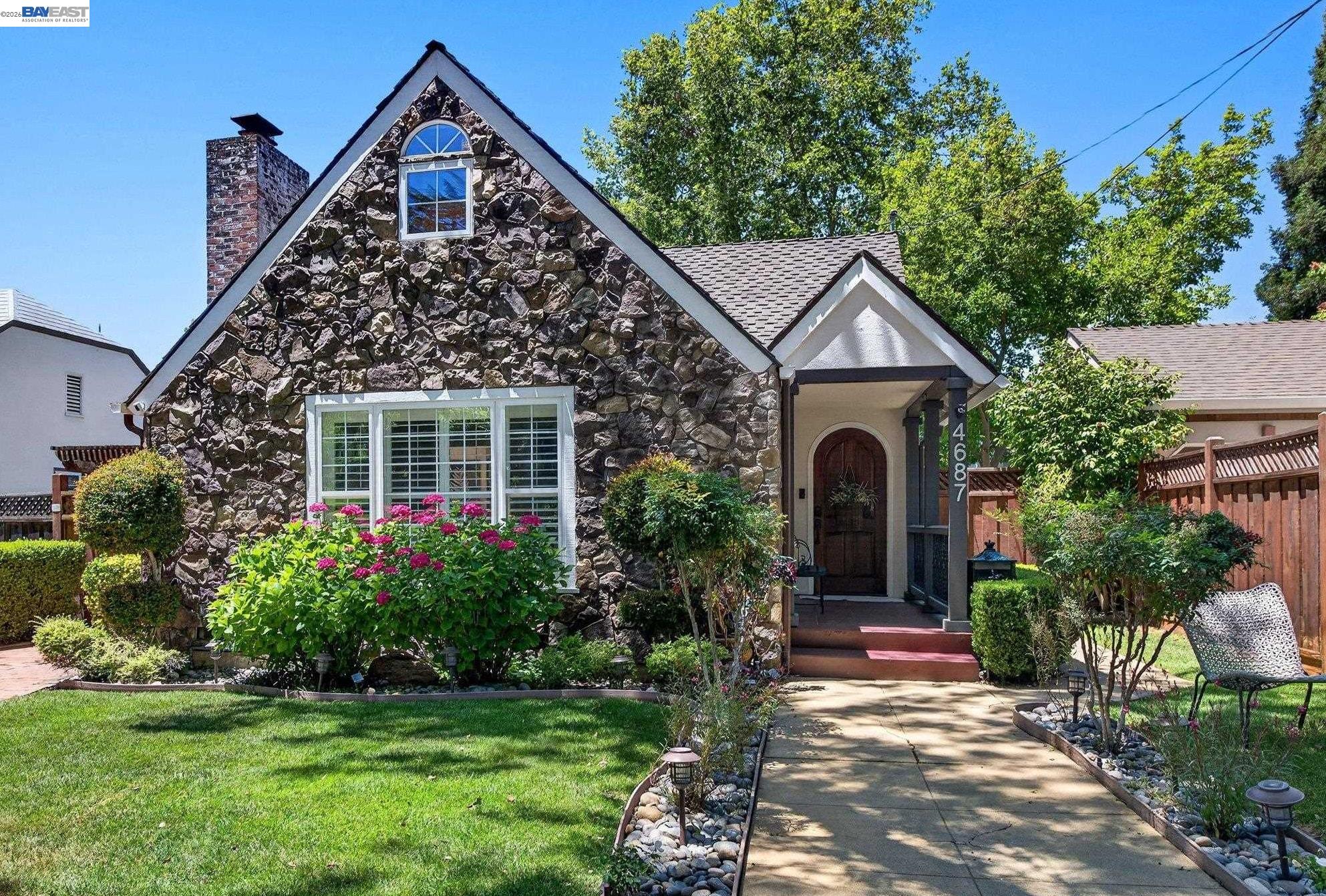
Pleasanton's downtown is the city's living history. Many homes date from the mid-1800s through the early 1900s, and the area showcases a remarkable range of period architecture — Victorian and Queen Anne, Italianate, Mission Revival, Colonial Revival, Craftsman, and more. Pleasanton is a certified California Main Street community, and its downtown carries a genuine small-town charm along with a rich backstory; the Museum on Main even offers walking tours of the historic homes and buildings. It's the kind of place where each home seems to have a story.
The homes
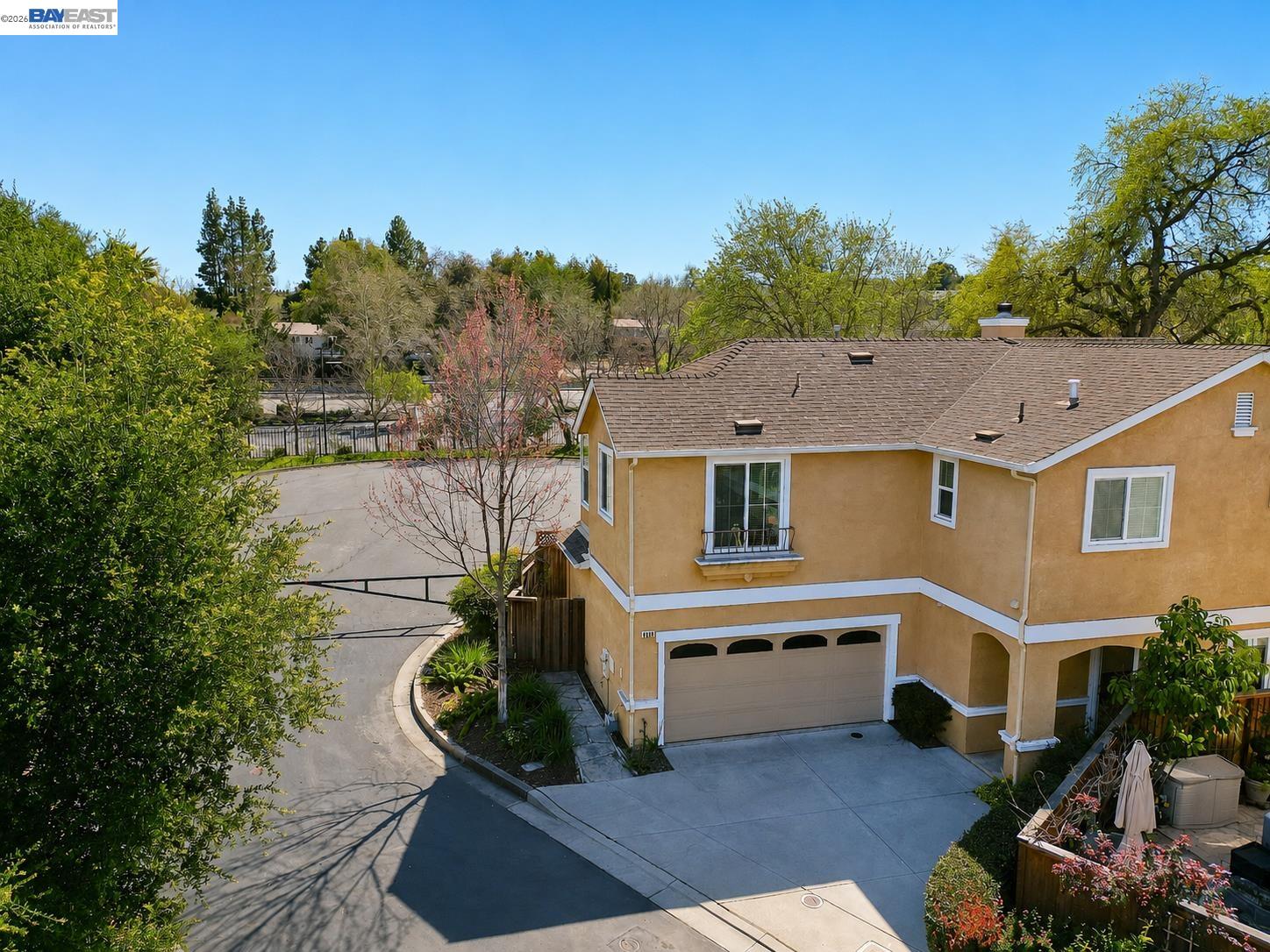
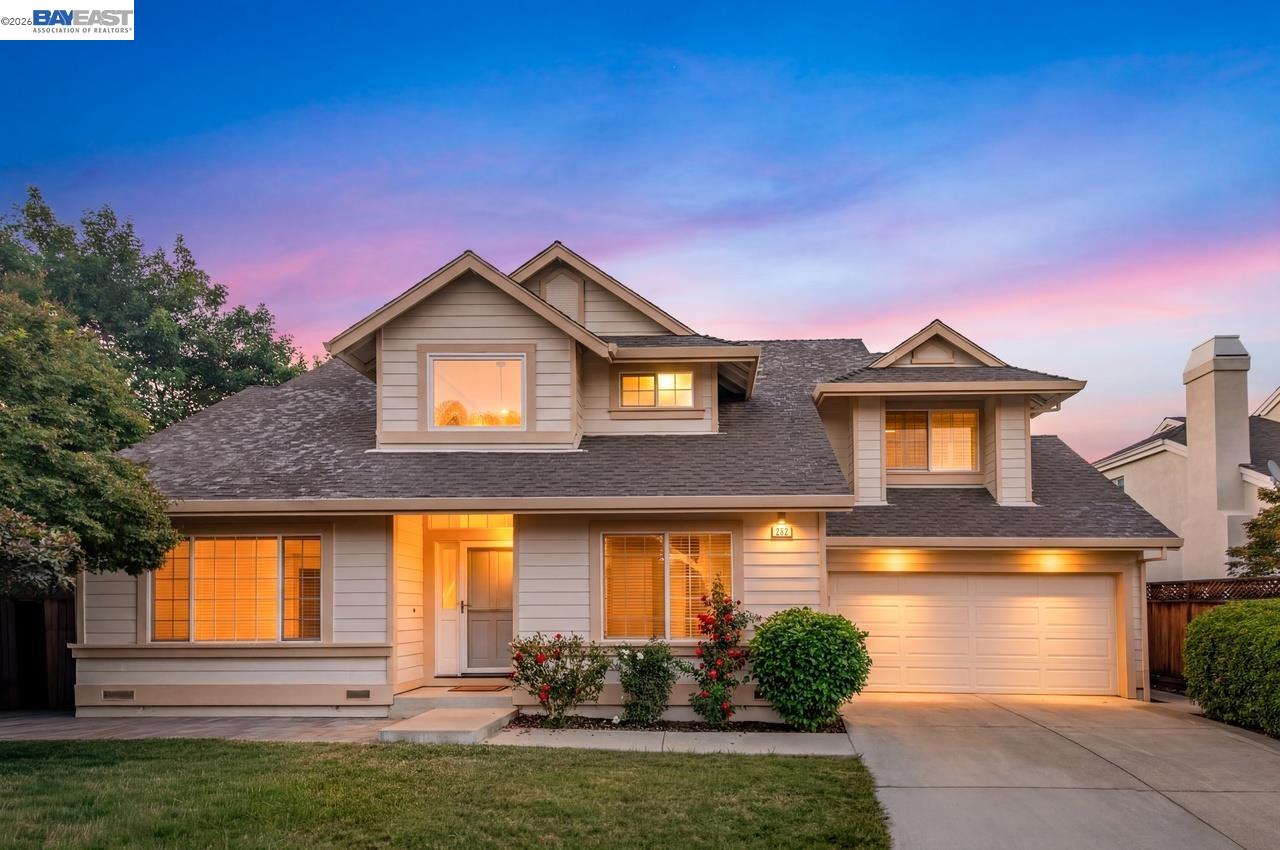
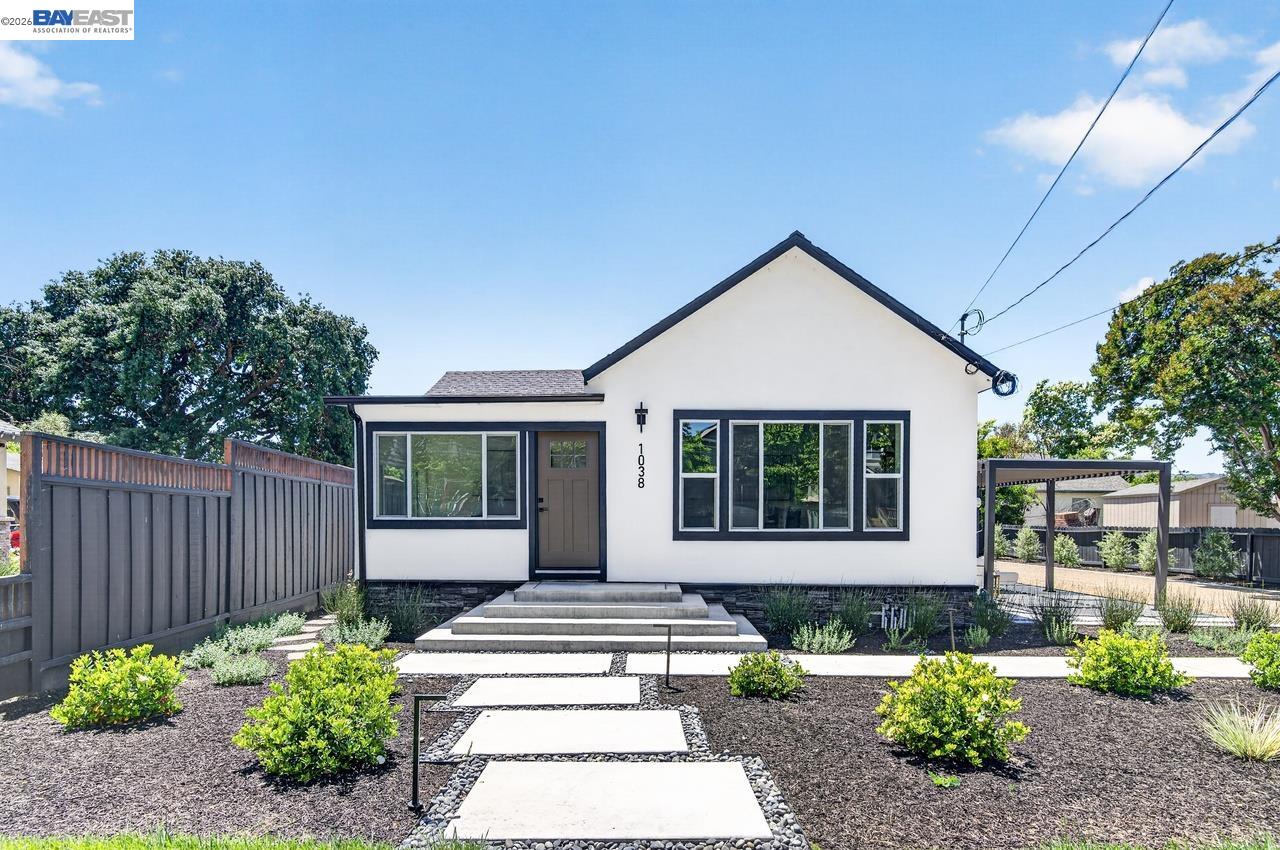
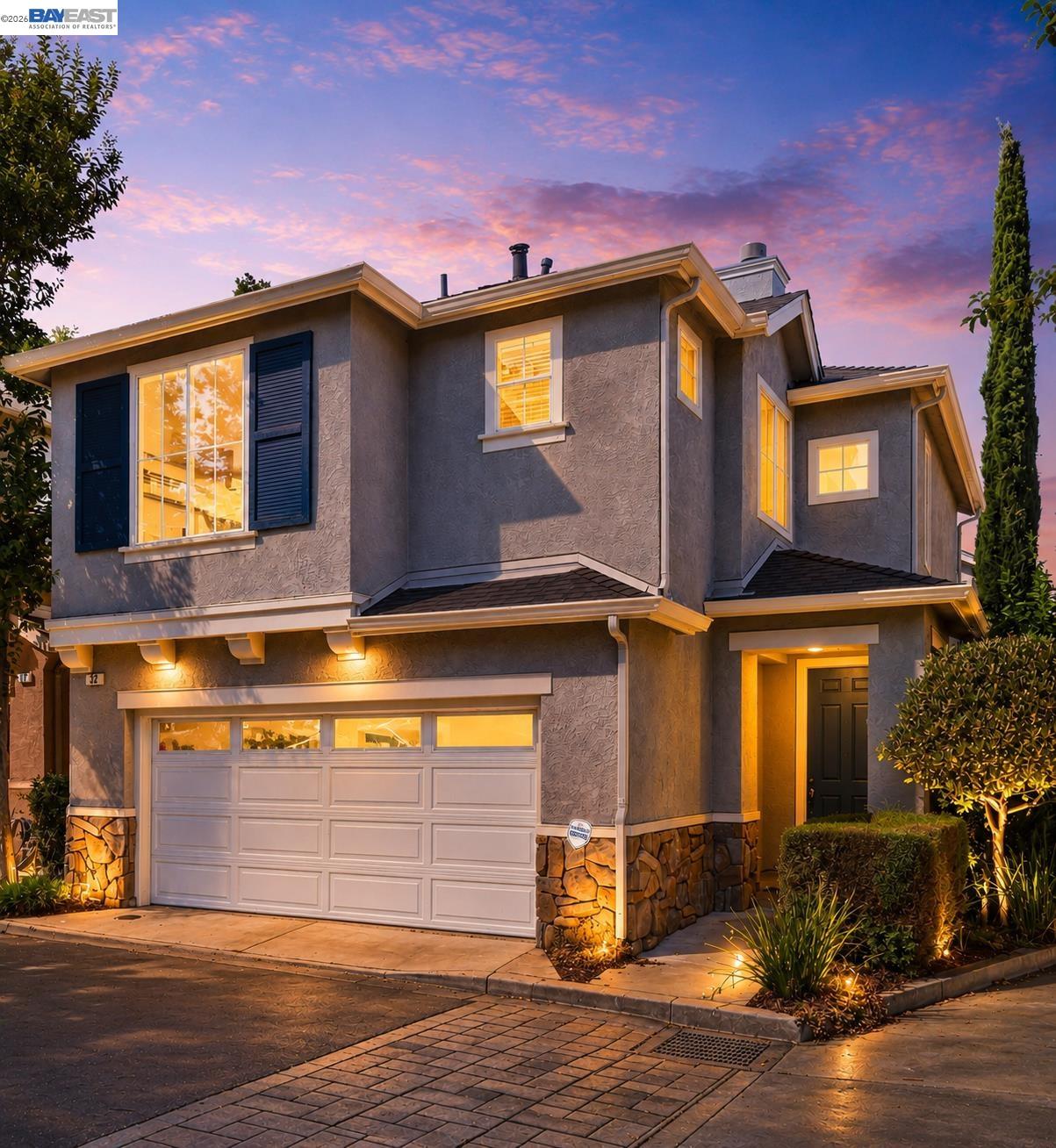
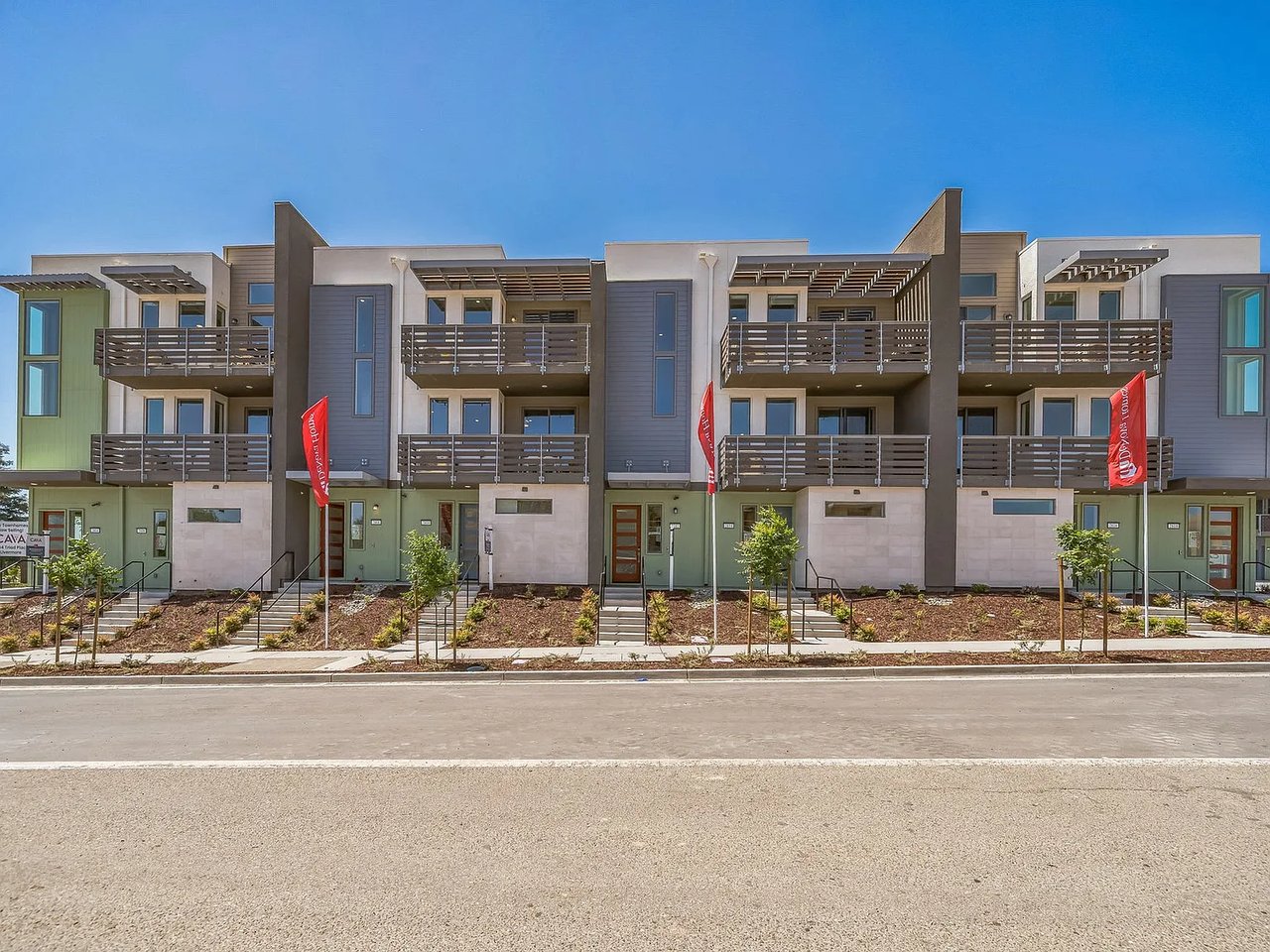
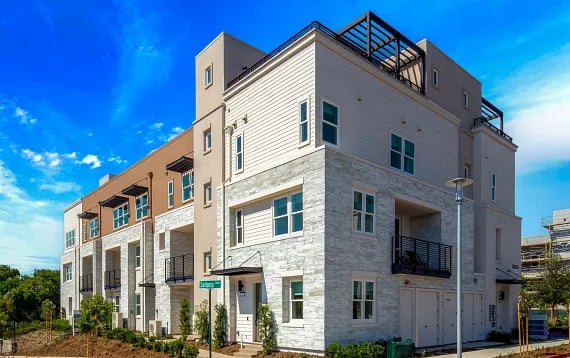
Variety is the defining trait here. Downtown is primarily single-family homes in a mix of styles — from classic Queen Anne Victorians and early farmhouses with carriage garages to midcentury California bungalows and ranch homes, plus a selection of newer homes built to blend with the established character (and some condos). Sizes and prices span an enormous range: from cottages well under 1,000 square feet to homes of 5,000 square feet or more, on lots ranging from compact cottage parcels to a full acre. Entry points can start around the $700,000s for a modest condo or fixer, with the average closer to seven figures and the prime historic homes — especially the coveted Second Street Victorian enclave — carrying some of the largest price tags in Pleasanton.
Buying a historic home
One thing that makes Downtown special also makes it worth navigating carefully: many homes carry genuine historic significance, and some have received recognition from the Pleasanton Heritage Association or fall under the city's Downtown Specific Plan. That can mean preservation considerations when it comes to renovations or additions. It's nothing to be intimidated by — but it's exactly the kind of thing I help buyers understand up front, so you know what you're getting and what's possible with a particular home.
Schools
Downtown Pleasanton is served by the highly regarded Pleasanton Unified School District. Because the downtown district spans more than one attendance area, the designated schools genuinely depend on the specific address — so I always confirm the assigned elementary, middle, and high schools parcel by parcel before a client counts on them.
Lifestyle and getting around
This is one of the few truly walkable neighborhoods in the Tri-Valley. From most downtown homes you can walk to Main Street's restaurants, boutiques, coffee shops, and the weekly farmers' market, plus the concerts, festivals, and seasonal events that fill the calendar. You've also got easy access to I-680 and the ACE train for commuting. For anyone who values walkability and a vibrant, connected lifestyle, Downtown is hard to beat.
Thinking about Downtown Pleasanton?
Historic, walkable homes in the heart of the city are limited and highly sought-after, and no two are alike — so finding the right one (and understanding any historic considerations) is where having a knowledgeable local agent really matters. Whether you're searching seriously or just want to understand what's selling and at what price, I'd be glad to give you a clear, honest read.
I know Pleasanton's neighborhoods and the wider Tri-Valley market inside and out, and I'd love to help you find the right fit. Reach out anytime — let's find your home in Downtown Pleasanton.
— Rebecca Rook, Living Tri-Valley | Compass